NZONI TI ALA SO A YÊKÊ TI MO KE NA MBENI SILO TI FER, MASINI TI KÛTA MBE TI KÔRÔ, NA SYSTÈME KÛÊ TI BÂRA TI KÔRÔ?
Système ti bâra ti kôrô a yeke sôkô silo na masini ti kûta mbe pepe. Système ti a yeke tongana mingi a lingbi ti gérer ndôti process nyonso — tî na réception ti kôrô ti a yeke na ngu, nettoyage, séchage, transport, stockage, ventilation, contrôle ti température, ti ga na silo ti chargement na fini.
Masini ti kûta mbe ti a yeke bon pepe, ventilation ti a yeke nzoni pepe, wala système ti transport ti a yeke malamu pepe, a lingbi ti gâ:
-
Kôro a bêngbi,
-
Moisissure,
-
Aflatoxine,
-
Dépense mingi ti carburant,
-
Pertes mingi ti mbongo.
Na ndôti sô, système nyonso a lingbi ti lô na yâ ti système ôko.
1. FLUX TI TRAVAIL NA SYSTÈME TI KÔRÔ
Flux ti travail a yeke:
Réception ti kôrô ti a yeke na ngu → Nettoyage préliminaire → Silo ti kôrô na ngu → Masini ti kûta mbe → Refroidissement → Transport ti kôrô ti a yeke sec → Silos ti stockage → Ventilation na contrôle ti température → Silo ti chargement → Chargement ti camion
2. RÉCEPTION TI KÔRÔ TI A YEKE NA NGU
Na peko ti récolte, kôrô mingi a yeke na humidité mingi.
Exemples:
-
Maïs: 20–35%
-
Blé: 14–18%
-
Tournesol: 10–16%
-
Soja: 14–20%
Kôrô a ga na camion wala tracteur. Tongana première étape, a pesé na a enregistrer, na peko a tî na réception pit.
A lingbi ti vérifier:
-
Niveau ti humidité,
-
Saleté,
-
Kôrô ti a bêngbi,
-
Poussière, paille na pierre,
-
Tongana a yeke bon pour séchage.
3. RECEIVING PIT
Receiving pit a yeke première place ti a tî kôrô na ndô.
Receiving pit ti a yeke bon a lingbi ti yeke na:
-
Grande capacité,
-
Grille ti fer ti a yeke ngangou,
-
Chain conveyor wala screw conveyor,
-
Protection contre pluie,
-
Nettoyage facile,
-
Accès ti gros camion.
4. SYSTÈME TI NETTOYAGE PRÉLIMINAIRE
Kôrô ti a yeke na ngu a lingbi pepe ti ga directement na dryer.
A lingbi ti yeke na:
-
Poussière,
-
Paille,
-
Coquilles,
-
Pierres,
-
Kôrô ti a bêngbi.
Nettoyage préliminaire a sala:
-
Séchage a yeke meilleur,
-
Réduction ti carburant,
-
Réduction ti risque ti feu,
-
Séchage uniforme.
5. SILO TI KÔRÔ TI A YEKE NA NGU
Na système ti séchage continu, silo ti kôrô na ngu a yeke très important.
A yeke bâra temporaire avant séchage.
Ala so a lingbi ti lô:
-
Kôrô a lingbi pepe ti duti mingi,
-
Ventilation a lingbi ti yeke,
-
Blocage a lingbi pepe ti yeke,
-
Capacité ti silo a lingbi na dryer,
-
Surchauffe a lingbi pepe ti yeke.
6. ELEVATORS NA SYSTÈMES TI TRANSPORT
Kôrô a yeke déplacé na:
-
Bucket elevators,
-
Chain conveyors,
-
Screw conveyors,
-
Belt conveyors,
-
Systèmes ti distribution,
-
Transporteurs ti likolo,
-
Systèmes ti déchargement ti na nze.
Capacité ti systèmes nyonso a lingbi ti correspondre.
7. MASINI TI KÛTA MBE
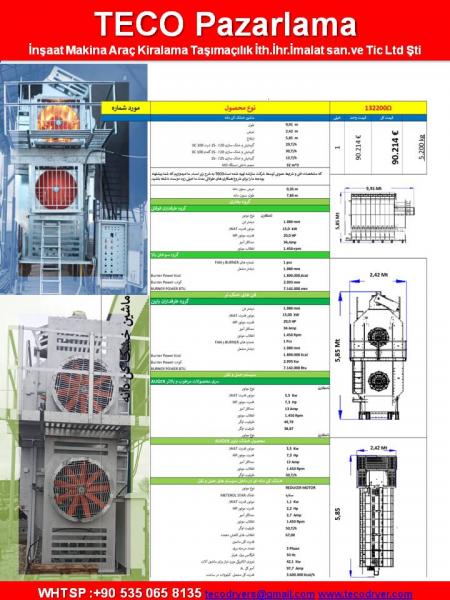
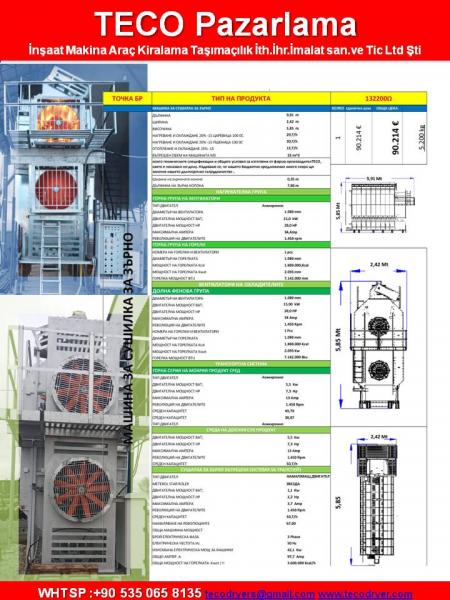
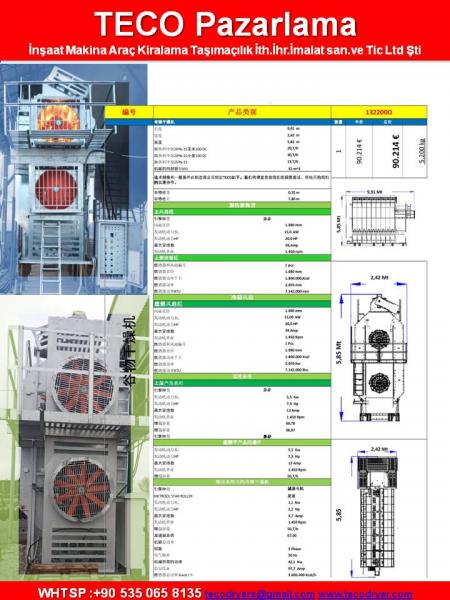
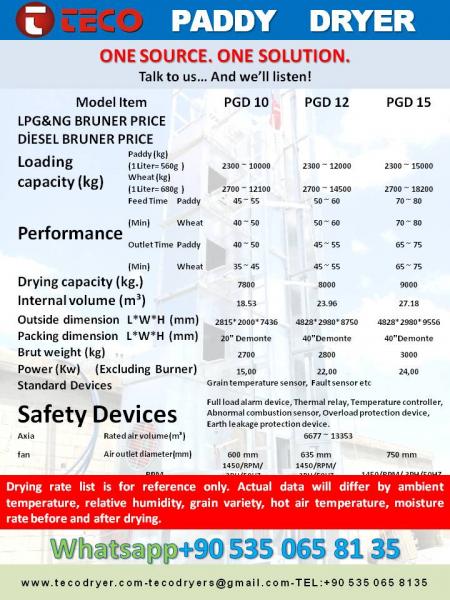
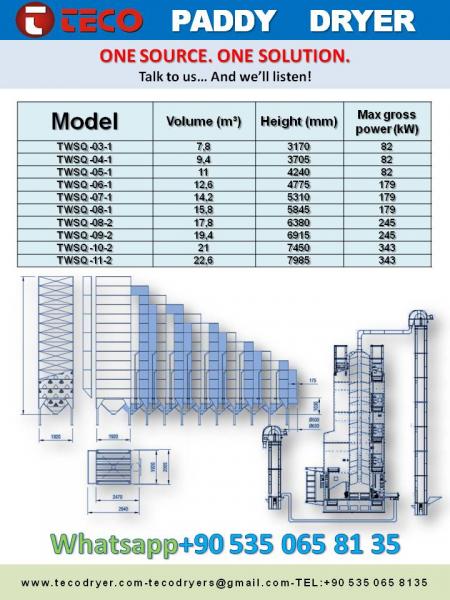
Dryer a yeke motema ti système.
Bâra ti lo a yeke ti enlever humidité na air chaud.
Dryer ti a yeke bon a lingbi ti yeke na:
-
Continuous-flow system,
-
Faible consommation ti carburant,
-
Séchage uniforme,
-
Bonne distribution ti air,
-
Section ti refroidissement intégrée,
-
Contrôle automatique ti température,
-
PT100 sensors,
-
PLC automation,
-
Fans ti a yeke ngangou,
-
Brûleur sécurisé,
-
Maintenance facile,
-
Design modulaire.
Surtout, maïs ti 30–35% humidité a lingbi ti sec sans brûler.
8. KÔRÔ A DEPLACÉ NDEKE NA YÂ TI DRYER?
Elevator a zî kôrô na likolo, na peko kôrô a descendre malembe malembe.
Zone ti distribution
Kôrô a répandre uniforme.
Zone ti chauffage
Air chaud a enlever humidité.
Zone ti stabilisation
Humidité a ga tî na kati vers likolo.
Zone ti refroidissement
Kôrô a froid avant stockage.
Système ti déchargement
Kôrô sec a sorti contrôlé.
9. SYSTÈME TI CARBURANT
Dryers a lingbi ti fonctionner na:
-
LPG,
-
Gaz naturel,
-
LNG,
-
Diesel.
Tongana mo choisir système, mo lô prix ti machine sôkô pepe. Coût ti fonctionnement a yeke important mingi.
Système ti a yeke efficace:
-
Réduction ti gaz,
-
Réduction ti coûts,
-
Augmentation ti profits.
10. AUTOMATION NA CONTRÔLE
Installation moderne a lingbi ti yeke automatisée.
Système a contrôler:
-
Flux ti produit,
-
Fans,
-
Brûleurs,
-
Température,
-
Humidité,
-
Conveyors,
-
Alarmes,
-
Systèmes ti sécurité.
11. TRANSPORT TI KÔRÔ SEC NA SILOS
Na peko ti séchage, kôrô a déplacé na silos na:
-
Elevators,
-
Chain conveyors,
-
Systèmes ti distribution.
12. SILOS TI FER
Silos ti fer a fournir stockage sécurisé pour long terme.
Silo ti a yeke bon a lingbi ti yeke na:
-
Fer galvanisé ti qualité,
-
Structure ti a yeke ngangou,
-
Résistance contre vent na neige,
-
Ventilation,
-
Contrôle ti température,
-
Bon système ti déchargement.
13. VENTILATION
Ventilation a yeke important mingi.
A aider ti:
-
Éviter surchauffe,
-
Équilibrer humidité,
-
Réduire moisissure,
-
Réduire insectes,
-
Réduire risque ti aflatoxine.
14. CONTRÔLE TI TEMPÉRATURE
Grands silos a lingbi ti yeke na système ti contrôle température.
Température ti a monter a lingbi ti montrer:
-
Humidité mingi,
-
Insectes,
-
Moisissure,
-
Mauvaise ventilation.
15. SYSTÈME TI DÉCHARGEMENT TI SILO
A utiliser:
-
Sortie centrale,
-
Bottom screws,
-
Chain conveyors,
-
Elevators,
-
Loading silo.
16. LOADING SILO
Loading silo a rendre chargement ti camions rapide.
Avantages:
-
Réduction ti temps ti attente,
-
Chargement rapide,
-
Meilleure logistique.
17. QUESTIONS IMPORTANTES AVANT ACHAT
Acheteur a lingbi ti demander:
-
Combien tonnes a entrer chaque jour?
-
Quel produit?
-
Humidité initiale combien?
-
Humidité finale combien?
-
Capacité ti dryer combien?
-
Wet grain silo a yeke nécessaire?
-
Capacité ti stockage combien?
-
Ventilation a yeke suffisante?
-
Contrôle ti température a yeke?
-
Pièces détachées a disponible?
-
Support technique a yeke?
18. ÉQUIPEMENTS PRINCIPAUX
-
Receiving pit
-
Bucket elevators
-
Chain conveyors
-
Screw conveyors
-
Machine ti nettoyage
-
Wet grain silo
-
Grain dryer
-
Brûleur
-
Fans
-
Automation panel
-
Système ti transport ti kôrô sec
-
Silos ti fer
-
Ventilation
-
Capteurs ti température
-
Système ti déchargement
-
Loading silo
-
Systèmes électriques na automation
-
Platforms na ladders
19. CONCLUSION
Bon système ti stockage ti kôrô a dépendre sôkô na grosses machines pepe. A dépendre na fonctionnement ti systèmes nyonso ensemble.
Tî na entrée ti kôrô ti a yeke na ngu ti ga sortie ti produit sec na sécurisé, étape nyonso a lingbi ti planifier correctement.
Bon système:
-
A protéger qualité ti produit,
-
A économiser carburant,
-
A réduire coûts,
-
A donner stockage sécurisé,
-
A réduire risque ti aflatoxine,
-
A augmenter profits.
TECO PAZARLAMA
☎️ +90 535 065 81 35
🌐 www.tecodryer.com
NZONI TI ALA SO A YÊKÊ TI MO KE NA MBENI SILO TI FER, MASINI TI KÛTA MBE TI KÔRÔ, NA SYSTÈME KÛÊ TI BÂRA TI KÔRÔ?
Système ti bâra ti kôrô a yeke sôkô silo na masini ti kûta mbe pepe. Système ti a yeke tongana mingi a lingbi ti gérer ndôti process nyonso — tî na réception ti kôrô ti a yeke na ngu, nettoyage, séchage, transport, stockage, ventilation, contrôle ti température, ti ga na silo ti chargement na fini.
Masini ti kûta mbe ti a yeke bon pepe, ventilation ti a yeke nzoni pepe, wala système ti transport ti a yeke malamu pepe, a lingbi ti gâ:
-
Kôro a bêngbi,
-
Moisissure,
-
Aflatoxine,
-
Dépense mingi ti carburant,
-
Pertes mingi ti mbongo.
Na ndôti sô, système nyonso a lingbi ti lô na yâ ti système ôko.
1. FLUX TI TRAVAIL NA SYSTÈME TI KÔRÔ
Flux ti travail a yeke:
Réception ti kôrô ti a yeke na ngu → Nettoyage préliminaire → Silo ti kôrô na ngu → Masini ti kûta mbe → Refroidissement → Transport ti kôrô ti a yeke sec → Silos ti stockage → Ventilation na contrôle ti température → Silo ti chargement → Chargement ti camion
2. RÉCEPTION TI KÔRÔ TI A YEKE NA NGU
Na peko ti récolte, kôrô mingi a yeke na humidité mingi.
Exemples:
-
Maïs: 20–35%
-
Blé: 14–18%
-
Tournesol: 10–16%
-
Soja: 14–20%
Kôrô a ga na camion wala tracteur. Tongana première étape, a pesé na a enregistrer, na peko a tî na réception pit.
A lingbi ti vérifier:
-
Niveau ti humidité,
-
Saleté,
-
Kôrô ti a bêngbi,
-
Poussière, paille na pierre,
-
Tongana a yeke bon pour séchage.
3. RECEIVING PIT
Receiving pit a yeke première place ti a tî kôrô na ndô.
Receiving pit ti a yeke bon a lingbi ti yeke na:
-
Grande capacité,
-
Grille ti fer ti a yeke ngangou,
-
Chain conveyor wala screw conveyor,
-
Protection contre pluie,
-
Nettoyage facile,
-
Accès ti gros camion.
4. SYSTÈME TI NETTOYAGE PRÉLIMINAIRE
Kôrô ti a yeke na ngu a lingbi pepe ti ga directement na dryer.
A lingbi ti yeke na:
-
Poussière,
-
Paille,
-
Coquilles,
-
Pierres,
-
Kôrô ti a bêngbi.
Nettoyage préliminaire a sala:
-
Séchage a yeke meilleur,
-
Réduction ti carburant,
-
Réduction ti risque ti feu,
-
Séchage uniforme.
5. SILO TI KÔRÔ TI A YEKE NA NGU
Na système ti séchage continu, silo ti kôrô na ngu a yeke très important.
A yeke bâra temporaire avant séchage.
Ala so a lingbi ti lô:
-
Kôrô a lingbi pepe ti duti mingi,
-
Ventilation a lingbi ti yeke,
-
Blocage a lingbi pepe ti yeke,
-
Capacité ti silo a lingbi na dryer,
-
Surchauffe a lingbi pepe ti yeke.
6. ELEVATORS NA SYSTÈMES TI TRANSPORT
Kôrô a yeke déplacé na:
-
Bucket elevators,
-
Chain conveyors,
-
Screw conveyors,
-
Belt conveyors,
-
Systèmes ti distribution,
-
Transporteurs ti likolo,
-
Systèmes ti déchargement ti na nze.
Capacité ti systèmes nyonso a lingbi ti correspondre.
7. MASINI TI KÛTA MBE
Dryer a yeke motema ti système.
Bâra ti lo a yeke ti enlever humidité na air chaud.
Dryer ti a yeke bon a lingbi ti yeke na:
-
Continuous-flow system,
-
Faible consommation ti carburant,
-
Séchage uniforme,
-
Bonne distribution ti air,
-
Section ti refroidissement intégrée,
-
Contrôle automatique ti température,
-
PT100 sensors,
-
PLC automation,
-
Fans ti a yeke ngangou,
-
Brûleur sécurisé,
-
Maintenance facile,
-
Design modulaire.
Surtout, maïs ti 30–35% humidité a lingbi ti sec sans brûler.
8. KÔRÔ A DEPLACÉ NDEKE NA YÂ TI DRYER?
Elevator a zî kôrô na likolo, na peko kôrô a descendre malembe malembe.
Zone ti distribution
Kôrô a répandre uniforme.
Zone ti chauffage
Air chaud a enlever humidité.
Zone ti stabilisation
Humidité a ga tî na kati vers likolo.
Zone ti refroidissement
Kôrô a froid avant stockage.
Système ti déchargement
Kôrô sec a sorti contrôlé.
9. SYSTÈME TI CARBURANT
Dryers a lingbi ti fonctionner na:
-
LPG,
-
Gaz naturel,
-
LNG,
-
Diesel.
Tongana mo choisir système, mo lô prix ti machine sôkô pepe. Coût ti fonctionnement a yeke important mingi.
Système ti a yeke efficace:
-
Réduction ti gaz,
-
Réduction ti coûts,
-
Augmentation ti profits.
10. AUTOMATION NA CONTRÔLE
Installation moderne a lingbi ti yeke automatisée.
Système a contrôler:
-
Flux ti produit,
-
Fans,
-
Brûleurs,
-
Température,
-
Humidité,
-
Conveyors,
-
Alarmes,
-
Systèmes ti sécurité.
11. TRANSPORT TI KÔRÔ SEC NA SILOS
Na peko ti séchage, kôrô a déplacé na silos na:
-
Elevators,
-
Chain conveyors,
-
Systèmes ti distribution.
12. SILOS TI FER
Silos ti fer a fournir stockage sécurisé pour long terme.
Silo ti a yeke bon a lingbi ti yeke na:
-
Fer galvanisé ti qualité,
-
Structure ti a yeke ngangou,
-
Résistance contre vent na neige,
-
Ventilation,
-
Contrôle ti température,
-
Bon système ti déchargement.
13. VENTILATION
Ventilation a yeke important mingi.
A aider ti:
-
Éviter surchauffe,
-
Équilibrer humidité,
-
Réduire moisissure,
-
Réduire insectes,
-
Réduire risque ti aflatoxine.
14. CONTRÔLE TI TEMPÉRATURE
Grands silos a lingbi ti yeke na système ti contrôle température.
Température ti a monter a lingbi ti montrer:
-
Humidité mingi,
-
Insectes,
-
Moisissure,
-
Mauvaise ventilation.
15. SYSTÈME TI DÉCHARGEMENT TI SILO
A utiliser:
-
Sortie centrale,
-
Bottom screws,
-
Chain conveyors,
-
Elevators,
-
Loading silo.
16. LOADING SILO
Loading silo a rendre chargement ti camions rapide.
Avantages:
-
Réduction ti temps ti attente,
-
Chargement rapide,
-
Meilleure logistique.
17. QUESTIONS IMPORTANTES AVANT ACHAT
Acheteur a lingbi ti demander:
-
Combien tonnes a entrer chaque jour?
-
Quel produit?
-
Humidité initiale combien?
-
Humidité finale combien?
-
Capacité ti dryer combien?
-
Wet grain silo a yeke nécessaire?
-
Capacité ti stockage combien?
-
Ventilation a yeke suffisante?
-
Contrôle ti température a yeke?
-
Pièces détachées a disponible?
-
Support technique a yeke?
18. ÉQUIPEMENTS PRINCIPAUX
-
Receiving pit
-
Bucket elevators
-
Chain conveyors
-
Screw conveyors
-
Machine ti nettoyage
-
Wet grain silo
-
Grain dryer
-
Brûleur
-
Fans
-
Automation panel
-
Système ti transport ti kôrô sec
-
Silos ti fer
-
Ventilation
-
Capteurs ti température
-
Système ti déchargement
-
Loading silo
-
Systèmes électriques na automation
-
Platforms na ladders
19. CONCLUSION
Bon système ti stockage ti kôrô a dépendre sôkô na grosses machines pepe. A dépendre na fonctionnement ti systèmes nyonso ensemble.
Tî na entrée ti kôrô ti a yeke na ngu ti ga sortie ti produit sec na sécurisé, étape nyonso a lingbi ti planifier correctement.
Bon système:
-
A protéger qualité ti produit,
-
A économiser carburant,
-
A réduire coûts,
-
A donner stockage sécurisé,
-
A réduire risque ti aflatoxine,
-
A augmenter profits.
TECO PAZARLAMA
☎️ +90 535 065 81 35
🌐 www.tecodryer.com