
What Should You Consider When Buying a Steel Silo, Grain Dryer, and Complete Grain Storage System?
A modern grain storage system is not simply a few silos and a grain dryer. A properly designed system must manage the entire process — from receiving wet grain, cleaning, drying, transporting, storing, aeration, temperature control, and finally loading grain into trucks.
A poorly selected grain dryer, weak aeration system, or badly designed conveying system can lead to:
-
Grain spoilage,
-
Mold and fungus,
-
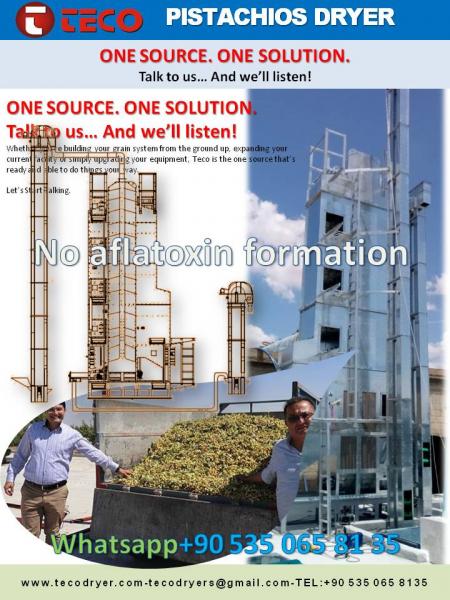
Aflatoxin formation,
-
Excessive fuel consumption,
-
Major financial losses.
For this reason, the entire facility should be considered as one integrated system.
1. WORKFLOW OF A COMPLETE GRAIN SYSTEM
A typical process in a modern grain facility:
Receiving wet grain → Pre-cleaning → Wet grain silo → Grain dryer → Cooling → Dry grain conveying → Storage silos → Aeration and temperature monitoring → Loading silo → Truck loading
2. RECEIVING WET GRAIN
After harvest, grain usually contains high moisture levels.
Examples:
-
Corn: 20–35%
-
Wheat: 14–18%
-
Sunflower: 10–16%
-
Soybeans: 14–20%
The crop arrives by truck or tractor trailer. First, it is weighed and registered, then unloaded into the receiving pit.
Things that should be checked:
-
Moisture level,
-
Foreign material and impurities,
-
Broken grain,
-
Dust, straw, and stones,
-
Drying suitability.
3. RECEIVING PIT
This is the first unloading point of the grain.
A quality receiving pit should include:
-
High capacity,
-
Heavy-duty steel grates,
-
Chain conveyor or screw conveyor,
-
Rain protection,
-
Easy cleaning access,
-
Convenient access for large trucks.
4. PRE-CLEANING SYSTEM
Wet grain should never go directly into the dryer.
It may contain:
-
Dust,
-
Straw,
-
Husks,
-
Stones,
-
Broken kernels.
Pre-cleaning helps:
-
Improve drying efficiency,
-
Reduce fuel consumption,
-
Lower fire risk,
-
Ensure uniform drying.
5. WET GRAIN SILO
In continuous-flow drying systems, a wet grain silo is extremely important.
It is used as temporary storage before drying.
Important considerations:
-
Grain should not remain too long,
-
Proper aeration is required,
-
Blockages must be prevented,
-
Capacity should match the dryer,
-
Overheating must be avoided.
6. ELEVATORS AND CONVEYING SYSTEMS
Grain is transported using:
-
Bucket elevators,
-
Chain conveyors,
-
Screw conveyors,
-
Belt conveyors,
-
Distribution systems,
-
Overhead conveyors,
-
Bottom discharge systems.
All system capacities must match one another.
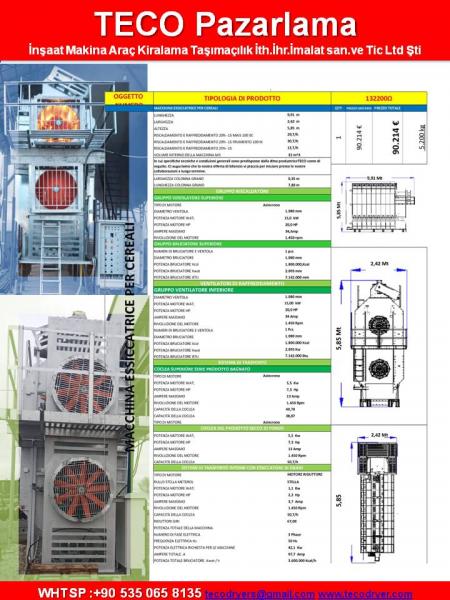
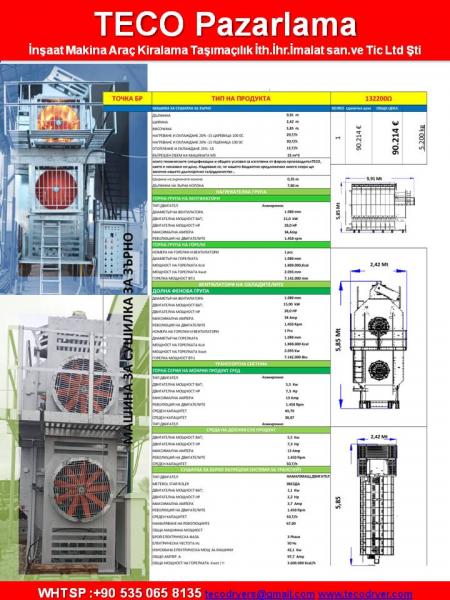
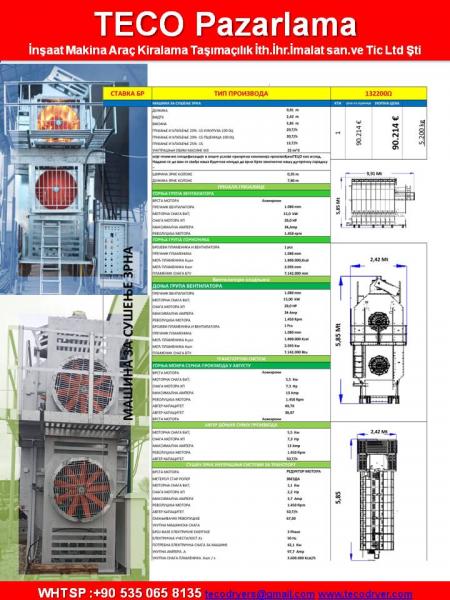
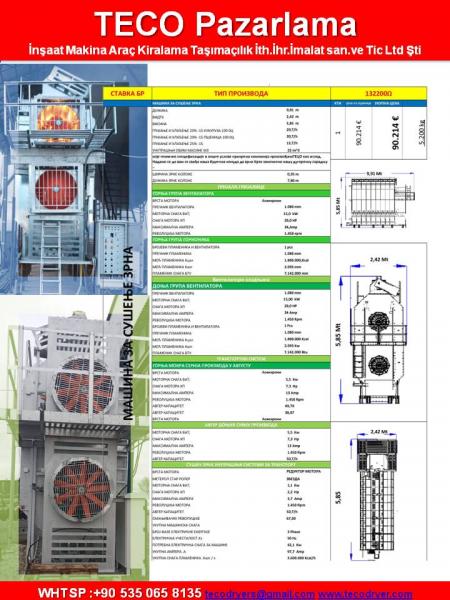
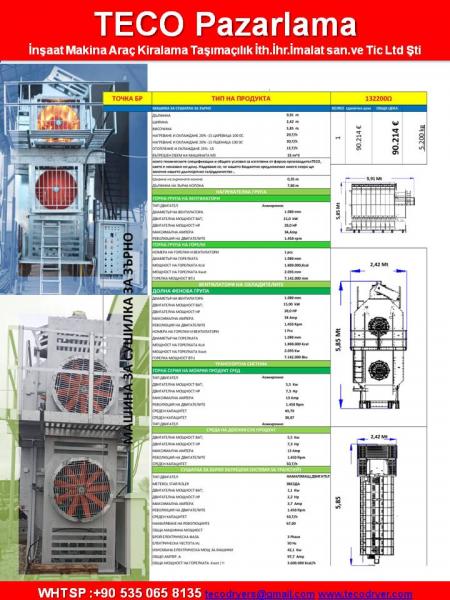
7. GRAIN DRYER
The grain dryer is the heart of the entire facility.
Its job is to remove moisture using heated air.
A quality grain dryer should include:
-
Continuous-flow technology,
-
Low fuel consumption,
-
Uniform drying,
-
Efficient airflow distribution,
-
Integrated cooling section,
-
Automatic temperature control,
-
PT100 sensors,
-
PLC automation,
-
High-performance fans,
-
Safe burner systems,
-
Easy maintenance,
-
Modular construction.
Most importantly, it should safely dry high-moisture corn at 30–35% moisture without burning or damaging the grain.
8. HOW DOES GRAIN MOVE INSIDE THE DRYER?
The elevator lifts the grain to the top, and the grain slowly moves downward through the machine.
Distribution section
The grain is spread evenly.
Heating section
Hot air removes moisture.
Stabilization section
Moisture moves from inside the kernel to the outer surface.
Cooling section
The grain is cooled before storage.
Discharge system
The dry grain is discharged in a controlled manner.
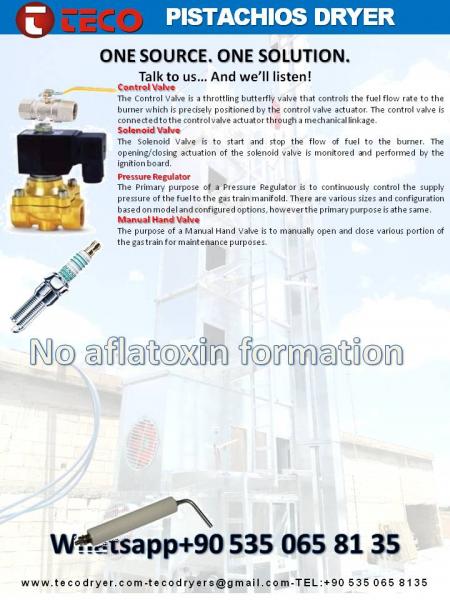
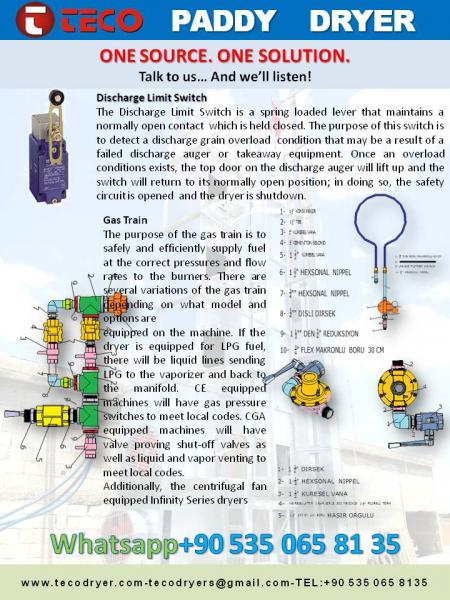
9. FUEL SYSTEM
Grain dryers can operate with:
-
LPG,
-
Natural gas,
-
LNG,
-
Diesel.
When selecting a system, buyers should evaluate not only the machine price, but also the long-term operating cost.
An efficient system:
-
Reduces gas consumption,
-
Lowers operating costs,
-
Increases profitability.
10. AUTOMATION AND CONTROL
A modern facility should be fully automated.
The system controls:
-
Product flow,
-
Fans,
-
Burners,
-
Temperature,
-
Moisture,
-
Conveyors,
-
Alarm systems,
-
Safety systems.
11. TRANSPORTING DRY GRAIN TO STORAGE SILOS
After drying, grain is transported to storage silos using:
-
Elevators,
-
Chain conveyors,
-
Distribution systems.
12. STEEL STORAGE SILOS
Steel silos provide safe long-term grain storage.
A high-quality silo should include:
-
High-grade galvanized steel,
-
Strong structural design,
-
Resistance to wind and snow loads,
-
Aeration systems,
-
Temperature monitoring,
-
Efficient unloading systems.
13. AERATION SYSTEM
Aeration is extremely important.
It helps:
-
Prevent overheating,
-
Balance moisture,
-
Reduce mold growth,
-
Reduce insect activity,
-
Minimize aflatoxin risk.
14. TEMPERATURE MONITORING
Large silos should include temperature monitoring systems.
Temperature increases may indicate:
-
Excessive moisture,
-
Insect activity,
-
Beginning mold formation,
-
Insufficient aeration.
15. SILO DISCHARGE SYSTEM
Common systems include:
-
Central outlet,
-
Bottom screw conveyors,
-
Chain conveyors,
-
Elevators,
-
Loading silo systems.
16. LOADING SILO
A loading silo allows fast truck loading.
Advantages include:
-
Reduced waiting time,
-
Faster loading operations,
-
Improved logistics efficiency.
17. IMPORTANT QUESTIONS BEFORE BUYING
A buyer should ask:
-
How many tonnes per day will enter the facility?
-
What type of grain will be processed?
-
What is the incoming moisture level?
-
What is the target final moisture level?
-
What dryer capacity is required?
-
Is a wet grain silo needed?
-
What storage capacity is required?
-
Is the aeration system sufficient?
-
Is temperature monitoring included?
-
Are spare parts available?
-
Is technical support provided?
18. MAIN EQUIPMENT IN A COMPLETE GRAIN SYSTEM
-
Receiving pit
-
Bucket elevators
-
Chain conveyors
-
Screw conveyors
-
Pre-cleaning machine
-
Wet grain silo
-
Grain dryer
-
Burner
-
Fans
-
Automation control panel
-
Dry grain conveying systems
-
Steel storage silos
-
Aeration systems
-
Temperature sensors
-
Discharge systems
-
Loading silo
-
Electrical and automation systems
-
Platforms and ladders
19. CONCLUSION
A successful grain storage system does not depend only on large machines. It depends on the proper integration of all systems working together.
From the moment wet grain enters the facility until clean, dry, and safe grain leaves the loading silo, every step must be properly engineered.
A high-quality system:
-
Protects grain quality,
-
Saves fuel,
-
Reduces operating costs,
-
Provides safe long-term storage,
-
Reduces aflatoxin risk,
-
Increases profitability.
TECO PAZARLAMA
☎️ +90 535 065 81 35
🌐 www.tecodryer.com
What Should You Consider When Buying a Steel Silo, Grain Dryer, and Complete Grain Storage System?
A modern grain storage system is not simply a few silos and a grain dryer. A properly designed system must manage the entire process — from receiving wet grain, cleaning, drying, transporting, storing, aeration, temperature control, and finally loading grain into trucks.
A poorly selected grain dryer, weak aeration system, or badly designed conveying system can lead to:
-
Grain spoilage,
-
Mold and fungus,
-
Aflatoxin formation,
-
Excessive fuel consumption,
-
Major financial losses.
For this reason, the entire facility should be considered as one integrated system.
1. WORKFLOW OF A COMPLETE GRAIN SYSTEM
A typical process in a modern grain facility:
Receiving wet grain → Pre-cleaning → Wet grain silo → Grain dryer → Cooling → Dry grain conveying → Storage silos → Aeration and temperature monitoring → Loading silo → Truck loading
2. RECEIVING WET GRAIN
After harvest, grain usually contains high moisture levels.
Examples:
-
Corn: 20–35%
-
Wheat: 14–18%
-
Sunflower: 10–16%
-
Soybeans: 14–20%
The crop arrives by truck or tractor trailer. First, it is weighed and registered, then unloaded into the receiving pit.
Things that should be checked:
-
Moisture level,
-
Foreign material and impurities,
-
Broken grain,
-
Dust, straw, and stones,
-
Drying suitability.
3. RECEIVING PIT
This is the first unloading point of the grain.
A quality receiving pit should include:
-
High capacity,
-
Heavy-duty steel grates,
-
Chain conveyor or screw conveyor,
-
Rain protection,
-
Easy cleaning access,
-
Convenient access for large trucks.
4. PRE-CLEANING SYSTEM
Wet grain should never go directly into the dryer.
It may contain:
-
Dust,
-
Straw,
-
Husks,
-
Stones,
-
Broken kernels.
Pre-cleaning helps:
-
Improve drying efficiency,
-
Reduce fuel consumption,
-
Lower fire risk,
-
Ensure uniform drying.
5. WET GRAIN SILO
In continuous-flow drying systems, a wet grain silo is extremely important.
It is used as temporary storage before drying.
Important considerations:
-
Grain should not remain too long,
-
Proper aeration is required,
-
Blockages must be prevented,
-
Capacity should match the dryer,
-
Overheating must be avoided.
6. ELEVATORS AND CONVEYING SYSTEMS
Grain is transported using:
-
Bucket elevators,
-
Chain conveyors,
-
Screw conveyors,
-
Belt conveyors,
-
Distribution systems,
-
Overhead conveyors,
-
Bottom discharge systems.
All system capacities must match one another.
7. GRAIN DRYER
The grain dryer is the heart of the entire facility.
Its job is to remove moisture using heated air.
A quality grain dryer should include:
-
Continuous-flow technology,
-
Low fuel consumption,
-
Uniform drying,
-
Efficient airflow distribution,
-
Integrated cooling section,
-
Automatic temperature control,
-
PT100 sensors,
-
PLC automation,
-
High-performance fans,
-
Safe burner systems,
-
Easy maintenance,
-
Modular construction.
Most importantly, it should safely dry high-moisture corn at 30–35% moisture without burning or damaging the grain.
8. HOW DOES GRAIN MOVE INSIDE THE DRYER?
The elevator lifts the grain to the top, and the grain slowly moves downward through the machine.
Distribution section
The grain is spread evenly.
Heating section
Hot air removes moisture.
Stabilization section
Moisture moves from inside the kernel to the outer surface.
Cooling section
The grain is cooled before storage.
Discharge system
The dry grain is discharged in a controlled manner.
9. FUEL SYSTEM
Grain dryers can operate with:
-
LPG,
-
Natural gas,
-
LNG,
-
Diesel.
When selecting a system, buyers should evaluate not only the machine price, but also the long-term operating cost.
An efficient system:
-
Reduces gas consumption,
-
Lowers operating costs,
-
Increases profitability.
10. AUTOMATION AND CONTROL
A modern facility should be fully automated.
The system controls:
-
Product flow,
-
Fans,
-
Burners,
-
Temperature,
-
Moisture,
-
Conveyors,
-
Alarm systems,
-
Safety systems.
11. TRANSPORTING DRY GRAIN TO STORAGE SILOS
After drying, grain is transported to storage silos using:
-
Elevators,
-
Chain conveyors,
-
Distribution systems.
12. STEEL STORAGE SILOS
Steel silos provide safe long-term grain storage.
A high-quality silo should include:
-
High-grade galvanized steel,
-
Strong structural design,
-
Resistance to wind and snow loads,
-
Aeration systems,
-
Temperature monitoring,
-
Efficient unloading systems.
13. AERATION SYSTEM
Aeration is extremely important.
It helps:
-
Prevent overheating,
-
Balance moisture,
-
Reduce mold growth,
-
Reduce insect activity,
-
Minimize aflatoxin risk.
14. TEMPERATURE MONITORING
Large silos should include temperature monitoring systems.
Temperature increases may indicate:
-
Excessive moisture,
-
Insect activity,
-
Beginning mold formation,
-
Insufficient aeration.
15. SILO DISCHARGE SYSTEM
Common systems include:
-
Central outlet,
-
Bottom screw conveyors,
-
Chain conveyors,
-
Elevators,
-
Loading silo systems.
16. LOADING SILO
A loading silo allows fast truck loading.
Advantages include:
-
Reduced waiting time,
-
Faster loading operations,
-
Improved logistics efficiency.
17. IMPORTANT QUESTIONS BEFORE BUYING
A buyer should ask:
-
How many tonnes per day will enter the facility?
-
What type of grain will be processed?
-
What is the incoming moisture level?
-
What is the target final moisture level?
-
What dryer capacity is required?
-
Is a wet grain silo needed?
-
What storage capacity is required?
-
Is the aeration system sufficient?
-
Is temperature monitoring included?
-
Are spare parts available?
-
Is technical support provided?
18. MAIN EQUIPMENT IN A COMPLETE GRAIN SYSTEM
-
Receiving pit
-
Bucket elevators
-
Chain conveyors
-
Screw conveyors
-
Pre-cleaning machine
-
Wet grain silo
-
Grain dryer
-
Burner
-
Fans
-
Automation control panel
-
Dry grain conveying systems
-
Steel storage silos
-
Aeration systems
-
Temperature sensors
-
Discharge systems
-
Loading silo
-
Electrical and automation systems
-
Platforms and ladders
19. CONCLUSION
A successful grain storage system does not depend only on large machines. It depends on the proper integration of all systems working together.
From the moment wet grain enters the facility until clean, dry, and safe grain leaves the loading silo, every step must be properly engineered.
A high-quality system:
-
Protects grain quality,
-
Saves fuel,
-
Reduces operating costs,
-
Provides safe long-term storage,
-
Reduces aflatoxin risk,
-
Increases profitability.
TECO PAZARLAMA
☎️ +90 535 065 81 35
🌐 www.tecodryer.com